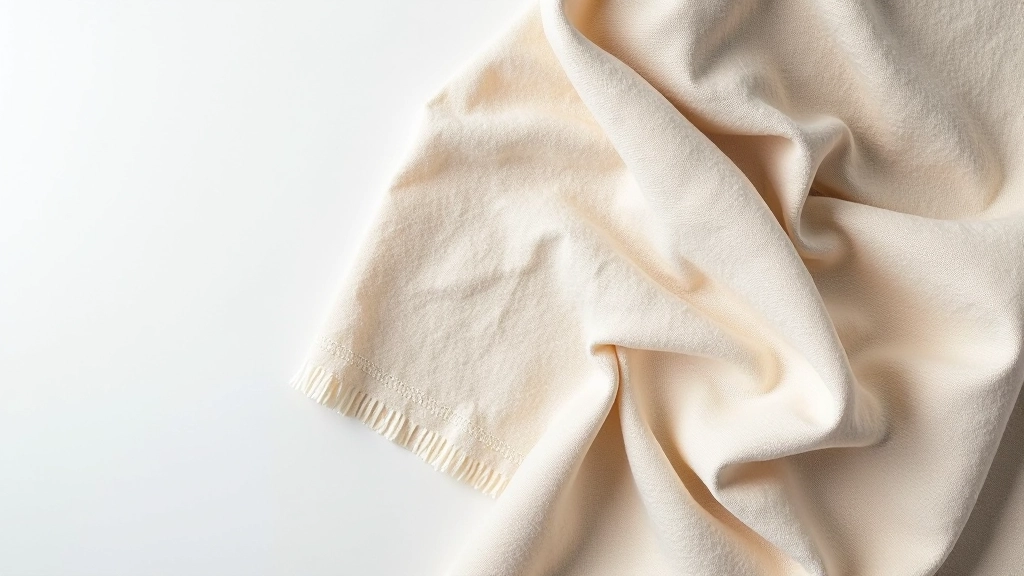

Caring for Natural Fiber Textiles Year-Round
Simple routines for washing, storing, and maintaining linen, cotton, and wool items so they last for years.
Why Natural Fibers Need Attention
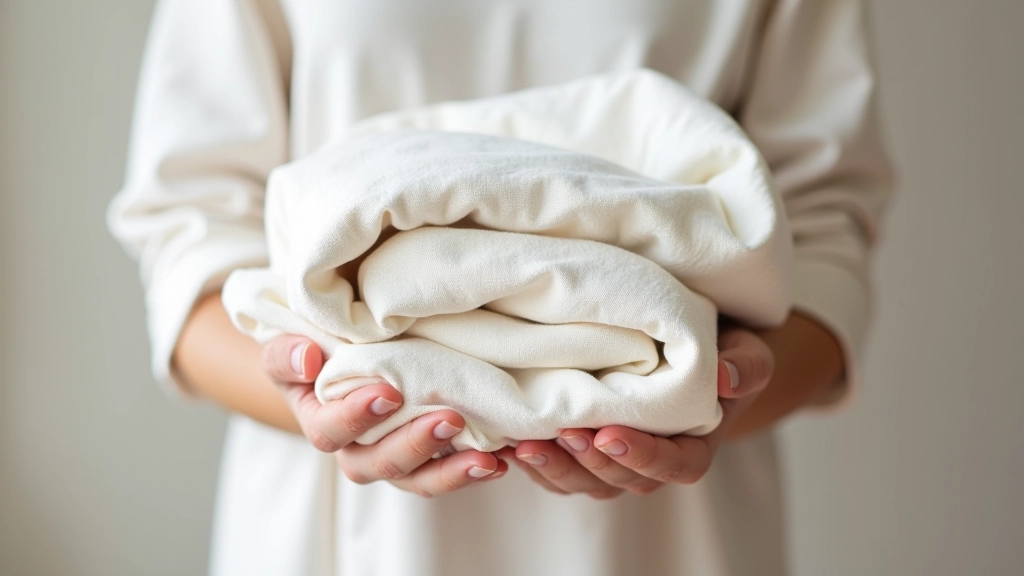
Natural fibers like linen, cotton, and wool are gorgeous — they breathe better, feel better against skin, and they're actually better for the environment. But here's the thing: they're not as forgiving as synthetic fabrics. You can't just toss a wool throw in the hot wash and expect it to survive.
The good news? Caring for them isn't complicated. It's really about understanding what each fiber needs and building simple habits. Most people think you need special products and fancy techniques, but the truth is simpler than that. A few basic practices will keep your linens, cottons, and woolens looking great for years.
The Right Way to Wash Natural Fibers
Temperature matters more than you'd think. Cold water is your friend — it's what we recommend for most natural fiber pieces. You'll avoid shrinkage, color fading, and general stress on the fibers. If something's really dirty, lukewarm water (around 30°C) works fine, but skip the hot water entirely for wool and delicate linens.
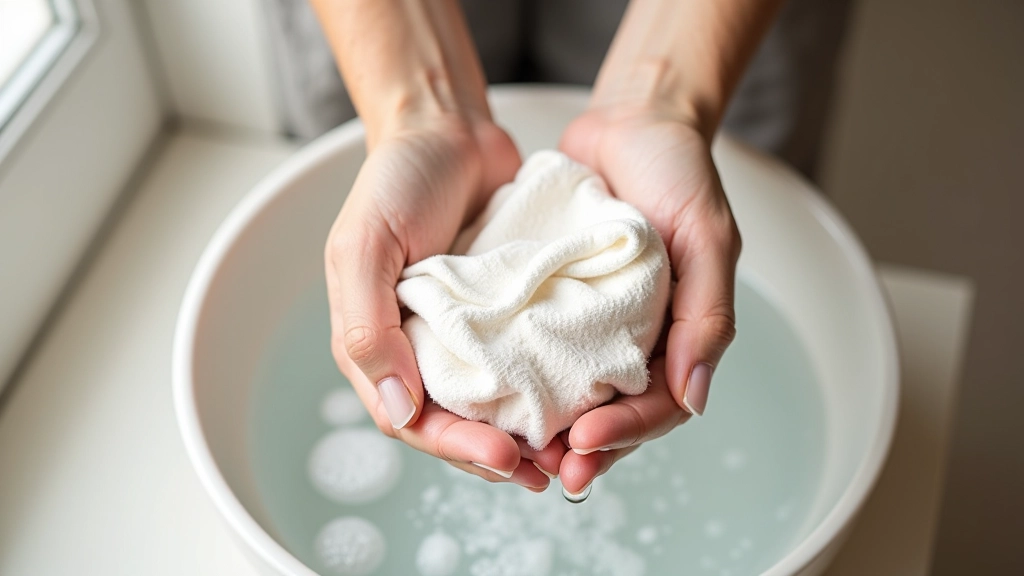
For washing, use a gentle detergent designed for delicate fabrics. You don't need much — just a small amount goes a long way. Here's what you should actually do: fill a basin with cool water, add detergent, submerge your item, and let it soak for 15-20 minutes. Then gently agitate it by hand, working the soapy water through the fabric. Rinse multiple times with cool water until the water runs clear. Don't wring or twist — squeeze gently instead.
Most items shouldn't go in the machine at all, but if you do machine wash, use a delicate cycle with cold water and skip the fabric softener. Seriously — softener coats the fibers and makes them less absorbent over time.
Important Care Note
This guide provides general care recommendations for natural fiber textiles. Always check manufacturer labels for specific care instructions, as individual products may have different requirements. Test any new cleaning method on a hidden area first. Results vary based on fiber quality, dye type, and prior care history.
Storing Textiles to Keep Them Fresh
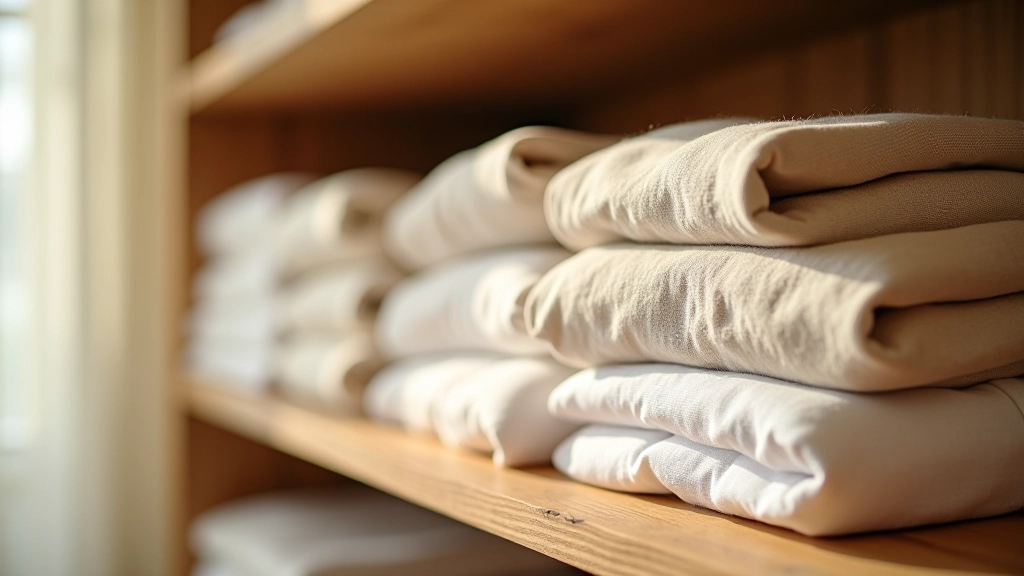
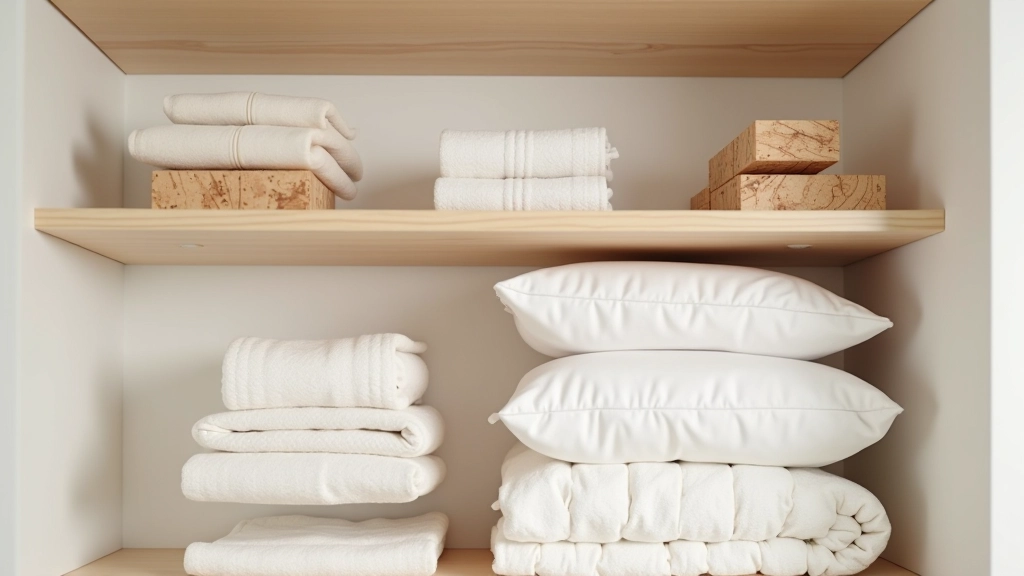
Storage makes a real difference in how long your textiles last. Natural fibers do best in cool, dry, dark places — think closets and linen cabinets, not hot attics or damp basements. Moisture and heat are enemies. They encourage mold growth and can cause yellowing, especially on whites.
Before storing, make sure everything is completely dry. Even a little dampness creates problems. Store items loosely — don't pack them too tightly because wrinkles become permanent. Cedar blocks or lavender sachets are great natural moth preventatives. If you're storing wool items specifically, add a cedar block to the storage area. These work better than mothballs and actually smell good.
For seasonal items (think summer linens or winter throws), wrap them in unbleached cotton or linen cloth rather than plastic. Plastic traps moisture. Rotate what you're using throughout the year so items get equal rest and use. Throws that sit in a closet all summer while you use others? They'll be fresher than if one gets constant heavy use.
Year-Round Seasonal Adjustments
Spring & Summer
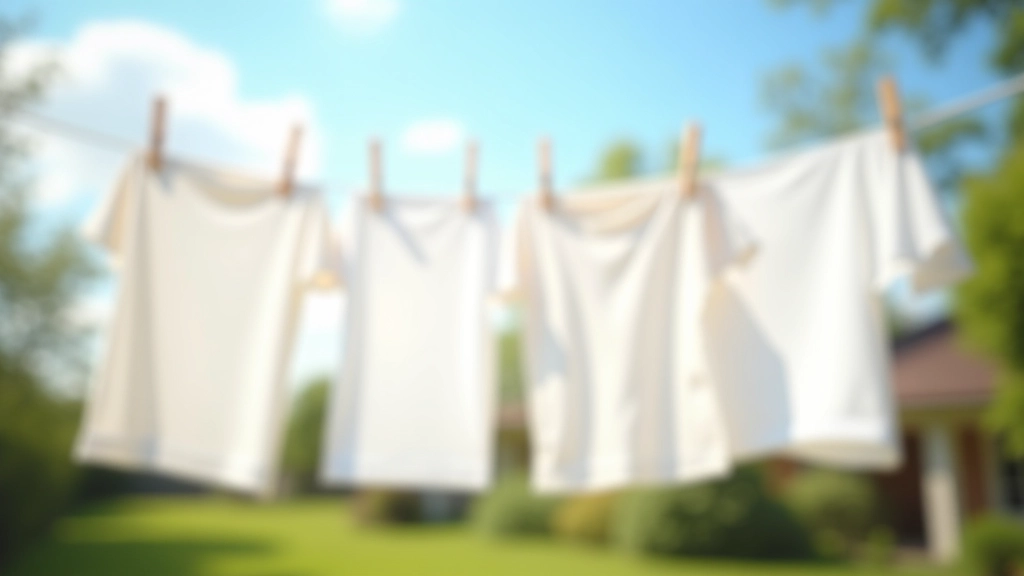
Lightweight linen pieces come out of storage. Wash them before using to freshen them up. Store heavier wool items in breathable bags with cedar. Air out cushions and throws in indirect sunlight for a few hours — this naturally refreshes them without harsh chemicals.
Fall & Winter
Wool throws and heavier cotton pieces rotate in. Winter air is drier, which is actually good for natural fibers — less moisture means less mold risk. That said, indoor heating creates static, so mist lightweight pieces with plain water before storing if you notice crackling.
All Year
Inspect items every few months for any spots, stains, or damage. Address small issues immediately before they become permanent. Use natural cleaning methods when possible — baking soda for odors, white vinegar for residue. Keep storage areas clean and check for any signs of pests or moisture.
Making It a Simple Habit
The reality is this: natural fiber textiles aren't complicated to care for. You're not going to ruin anything by being gentle and thoughtful. Cold water washing, flat drying, and proper storage — that's 90% of what you need to know. Everything else is just refinement.
Start with one piece. Maybe it's a linen throw or cotton bedding. Wash it the way we've described, dry it properly, and store it well. You'll see how much better it looks and feels compared to items you've been washing in hot water and tossing in the dryer. Once you experience that difference, it becomes automatic. You won't want to treat your natural fibers any other way.
Your textiles are an investment in comfort and quality. They deserve a little attention. Give them that, and they'll reward you with years of softness, color, and durability. That's the whole idea behind choosing natural fibers in the first place.

Related Articles