Fabric Types Explained: What Works Where
A breakdown of common home textiles — linen, velvet, cotton blends — and which rooms benefit from each.
Why Fabric Choice Matters More Than You Think
When you're shopping for cushions, throws, or curtains, it's easy to pick something based on color alone. But here's the thing — the fabric itself determines everything. It's what makes something comfortable to sit on, durable enough to survive spills, and able to handle the climate in your home.
Different fabrics behave differently. Some breathe beautifully in summer heat. Others hold warmth when temperatures drop. Some are tough as nails with kids and pets around. Others need a gentler touch. Understanding these differences is what separates a sofa that falls apart in two years from one that's still looking good a decade later.
Cotton & Linen: The Natural Workhorses
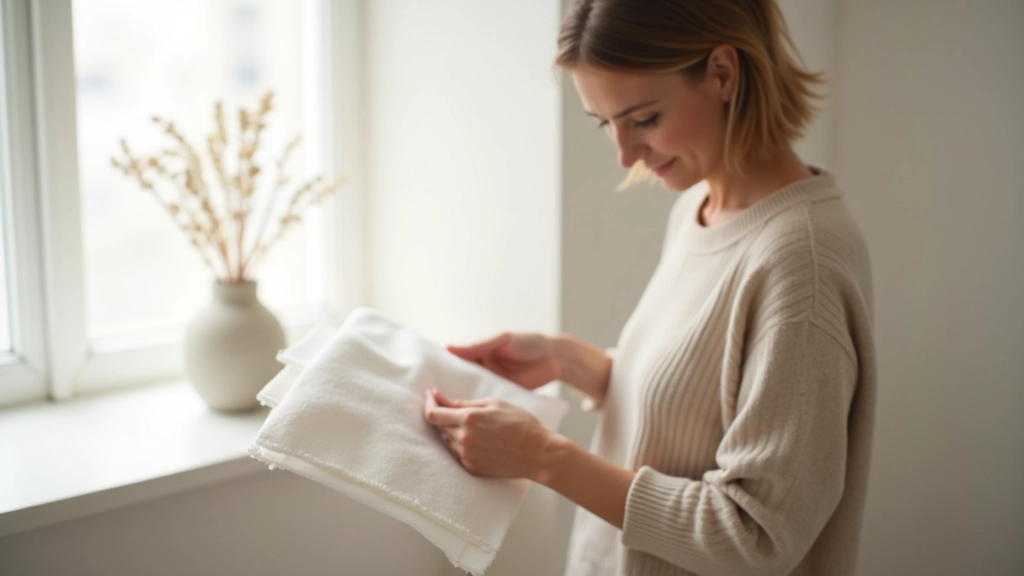
Cotton and linen are the foundation of most home textile collections. They're breathable, washable, and they get softer every time you use them. Cotton is reliable — it's what you want for everyday cushion covers and throw blankets because it holds up to regular washing without complaint.
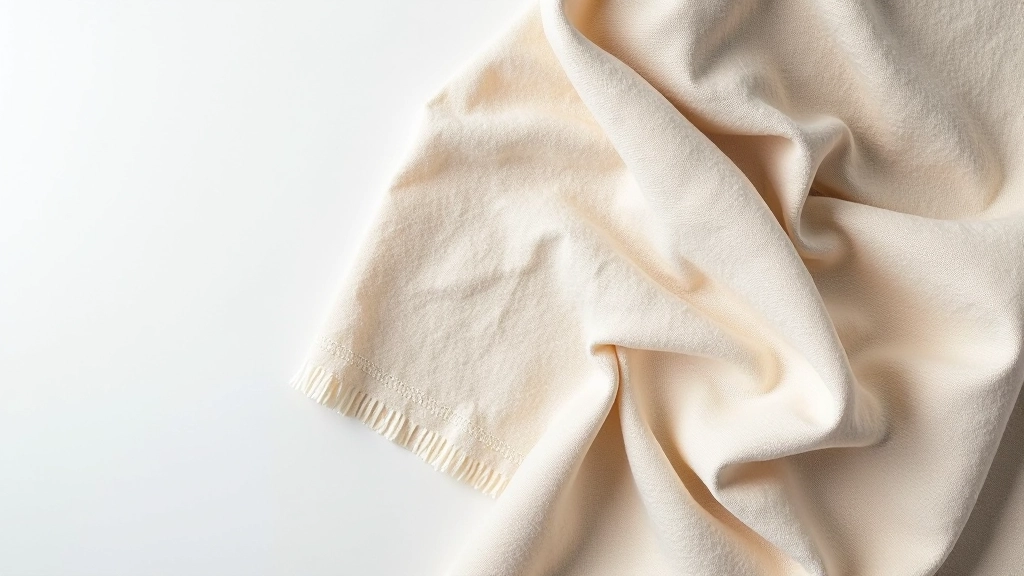
Linen is the slightly fancier cousin. It's got more texture, a beautiful natural slub that catches the light differently. It wrinkles more than cotton, but plenty of people find that casual, lived-in look appealing. You'll notice linen especially in summer textiles because it breathes exceptionally well — it pulls moisture away from your skin, which is why it's been used in warm climates for thousands of years.
Best for:
- Everyday cushions that need frequent washing
- Bedroom textiles (they breathe well)
- Homes with kids or pets
- Summer homes or warm climates
Information Note
This article provides educational information about fabric types and their characteristics. Individual preferences, climate conditions, and lifestyle factors vary. Always test fabric samples in your own lighting and space before making large purchases. Care instructions differ by manufacturer — always check the label before washing.

Velvet: Luxury That Demands Care
Velvet feels incredible. That soft, dense pile is unmistakable — it's the fabric you want to sink into after a long day. But here's the honest part: velvet isn't practical for everything. It shows footprints, it can crush if you're not careful, and it needs special attention when cleaning.
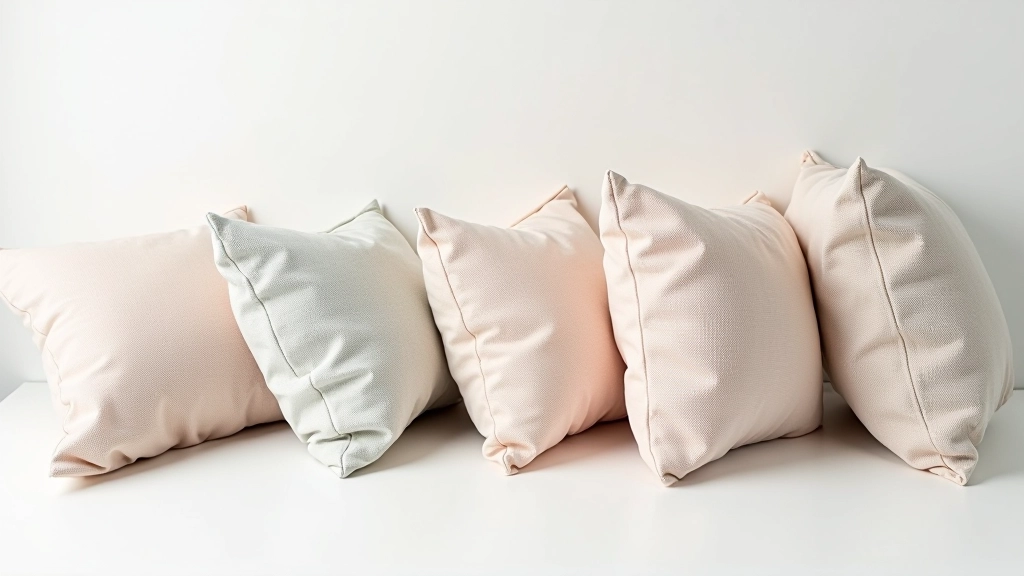
That said, velvet works beautifully in specific spaces. Use it on accent cushions in living rooms where people aren't constantly flopping down. It's perfect for bedroom chairs or headboards because you're not rough with those. Some velvet is made from synthetic fibers now, which makes it more stain-resistant than traditional velvet, but you're still looking at a fabric that requires respect.
Cotton-Linen Blends & Synthetics: The Practical Middle Ground
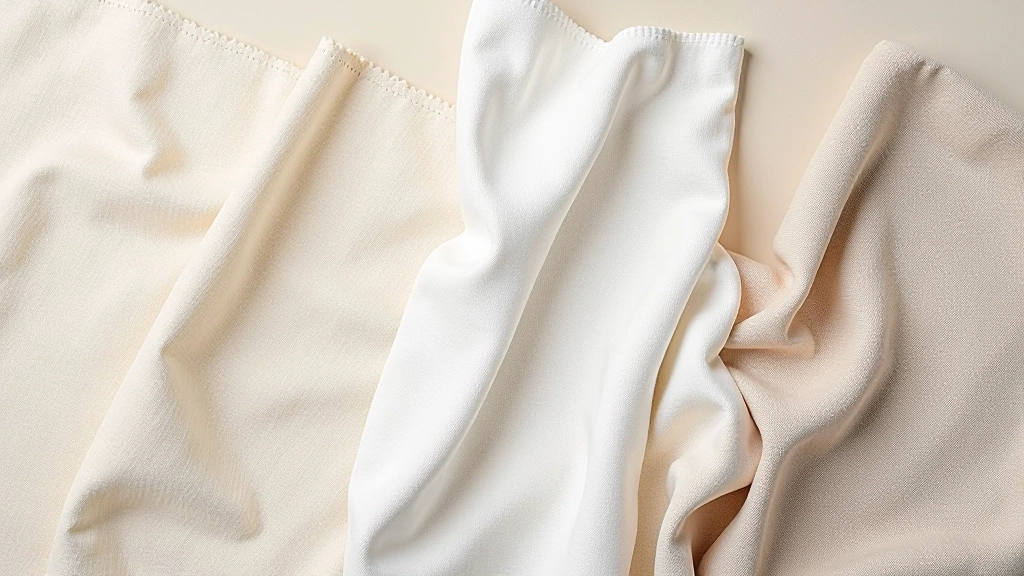
Most home textiles aren't 100% pure fiber anymore. Cotton-linen blends combine the best traits of both — they're breathable like linen but more durable and easier to care for than pure linen. You'll find these blends everywhere because they're genuinely practical.
Synthetic blends (polyester mixed with natural fibers) are where durability really shines. Homes with pets or young children often benefit from these. A 65% polyester, 35% cotton blend can handle stains better than pure cotton and wrinkles less than pure linen. The downside? They don't breathe quite as well, so they're less ideal for summer sleeping. But for a living room sofa that gets real use? They're worth considering.
Microfiber is the synthetic you'll see everywhere — it's soft, stain-resistant, and inexpensive. But microfiber doesn't breathe, and some people find it feels plastic-y compared to natural fibers. It's functional, not luxurious.
Matching Fabrics to Rooms: The Practical Guide
Living Rooms
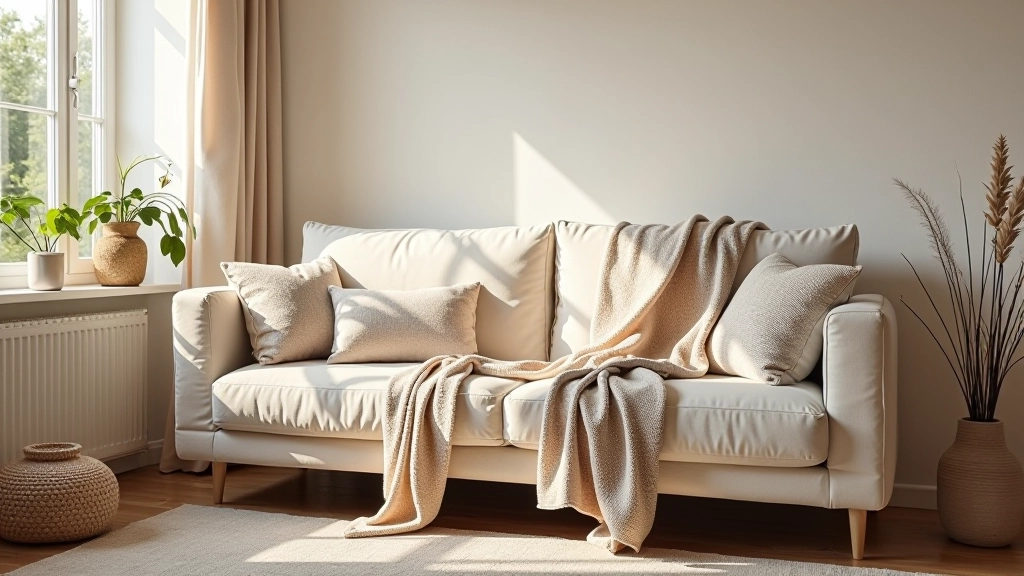
This is high-traffic territory. Cotton-blend upholstery handles spills and regular use. If you want something that looks refined but won't stress you out when someone sits on it, a poly-cotton blend is your answer. Skip velvet unless it's purely decorative.
Bedrooms
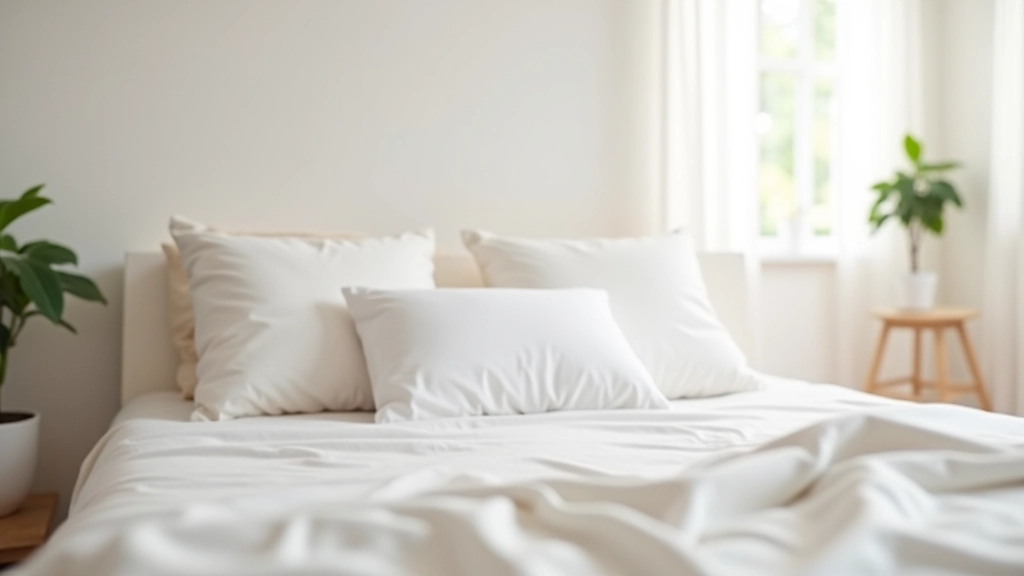
Pure cotton or linen shine here. You want something that breathes, that doesn't trap heat, that actually feels good against skin for eight hours a night. This is where natural fibers prove their worth. Velvet accent pillows are fine, but your main bedding should breathe.
Dining Areas
Stain resistance matters here. Cotton-polyester blends or performance fabrics (specially treated synthetics) handle spills without showing stains for years. Save the delicate linen for rooms where people aren't eating.
Home Offices
Low-traffic means you have freedom here. Choose based on what feels good and what fits your space visually. Linen for a relaxed vibe, cotton for classic comfort, or even velvet accents since you're not wearing it out quickly.
Weight & Weave Matter Too
You can't just think about fiber type — weight matters equally. A lightweight linen feels completely different from a heavyweight linen. Lightweight fabrics are breathable and airy, perfect for summer. They also show wrinkles more and can feel insubstantial in certain applications.
Heavyweight fabrics feel substantial. They hang beautifully on curtains, they don't shift around when you sit on them, and they tend to be more durable simply because there's more of them. The trade-off is that they don't breathe as well and they take up more space (which matters if your storage is limited).
Weave type affects everything — a tight weave resists stains better, an open weave breathes better. A loose, casual weave looks relaxed but won't last as long under stress. When you're examining fabrics, feel the weave, not just the fiber.
Making Your Choices
The right fabric isn't about what's trendy — it's about what actually works in your space. Consider the room's purpose, how much traffic it gets, your climate, and honestly, how much effort you want to put into care. A velvet accent cushion in a low-traffic bedroom is a great idea. Velvet upholstery in a family room? Probably not.
Natural fibers like cotton and linen feel better and breathe better, but they require more maintenance. Blends and synthetics are more forgiving. Neither is wrong — it depends on your priorities. Always feel the fabric in person if you can, because what looks beautiful online might not feel right in your hand. And don't be afraid to mix — use durable fabrics where you need them and more delicate, beautiful fabrics where you can treat them carefully.
Take your time choosing. A cushion cover or throw that you actually love living with matters more than one that looks perfect in a photo but makes you uncomfortable every time you touch it.