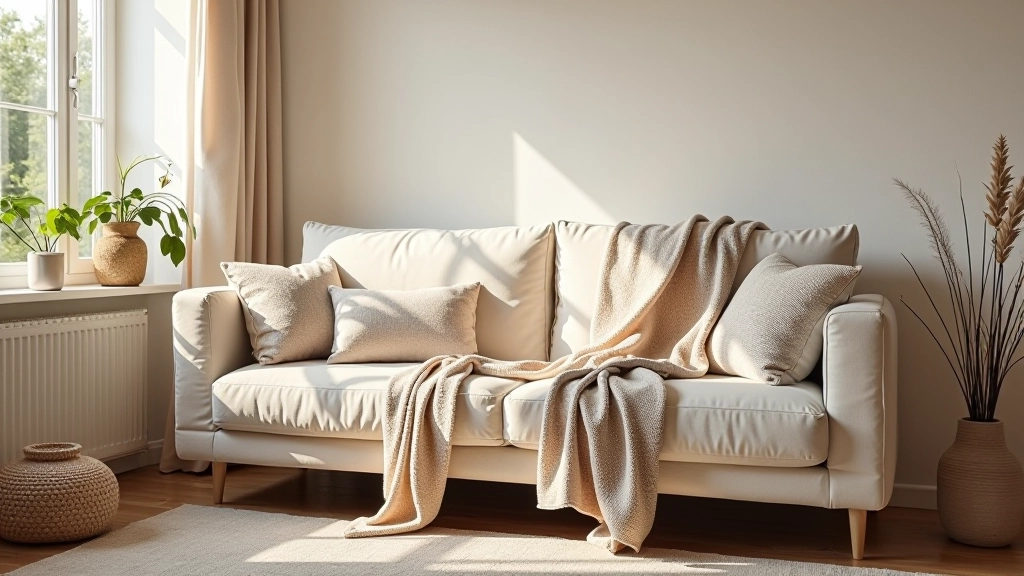
Choosing Cushions That Actually Feel Good
Understanding fabric types, fill materials, and how to pick cushions that match your sofa and lifestyle.
Why Cushions Matter More Than You Think
You spend hours on your sofa. Whether you're relaxing after work, watching shows with family, or just reading a book, your cushions are part of that experience. The wrong ones make you uncomfortable. The right ones? They're invisible — you don't think about them because they feel exactly how they should.
Here's the thing: picking cushions isn't about matching your decor perfectly (though that's nice). It's about understanding what makes them comfortable, what fabrics actually hold up in your home, and how to choose materials that won't look tired after a year. We'll walk through the main decisions you'll face — fill types, fabric choices, and those practical questions nobody talks about.
Comfort vs. Durability
Learn how different fills perform and which ones last longest in real homes.
Fabric Reality
What actually works for pets, kids, and everyday living — not just Instagram aesthetics.
Budget Smart
Where investing matters and where you can save without sacrificing comfort.
Understanding Fill Materials
The fill inside your cushion determines how it feels and how long it'll last. There's no "best" option — it depends on what matters to you: immediate softness, longevity, budget, or how it'll perform with regular use.
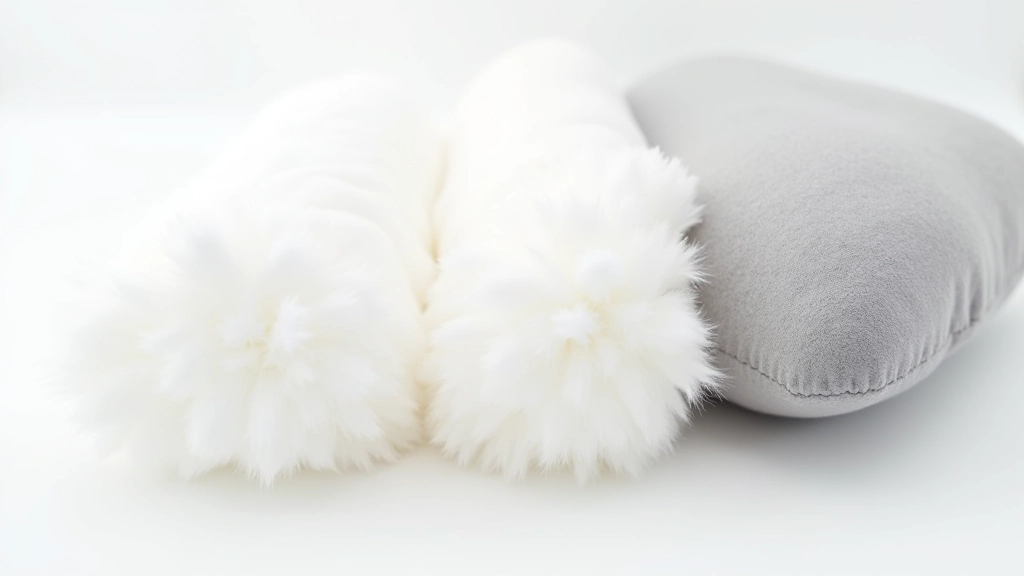
Down and down blend feels incredible. It's soft, moldable, and gives that luxurious sinking feeling. But here's the catch — it breaks down over time. After 2-3 years of regular use, you'll notice it flattens. You can refresh it, but you'll need to fluff constantly. If you have kids or pets that jump on furniture, pure down isn't your friend. Down blend (usually 80% down, 20% feather) offers a middle ground — softer than pure polyester but more durable than pure down.
Polyester fiberfill is what you'll find in most affordable cushions. It's consistent, holds its shape well, and doesn't compress easily. The trade-off? It doesn't feel quite as soft as down initially, though high-quality polyester can come surprisingly close. It's great for families with kids because it bounces back from rough play.
Memory foam is getting more popular for cushions. It molds to your body shape and provides support. Some people love it; others find it too firm. Temperature matters too — memory foam can feel stiff in cold rooms and overly soft in warm ones.
A Note on Fill Quality Grades
Manufacturers use terms like "premium down," "high-loft," and "luxury fiberfill" without strict standards. There's no regulatory body checking these claims. What matters is your own comfort test — sit on it, press it, live with it if possible. Don't rely on marketing language. Real durability comes from quality construction (double-stitched seams, tightly woven casings) and proper fill density, not just fancy naming.
Fabric Selection: What Actually Works
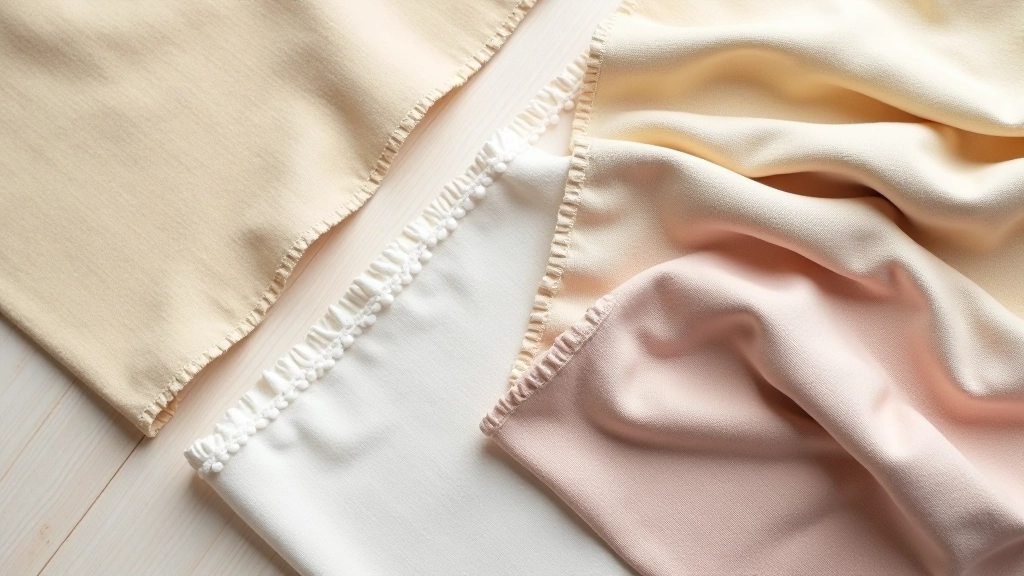
Fabric is where most people make mistakes. You fall in love with how velvet looks, buy cushions, and then they're permanently stained after the first month with kids or pets. Conversely, you might play it safe with a bland performance fabric and end up with something that looks cheap.
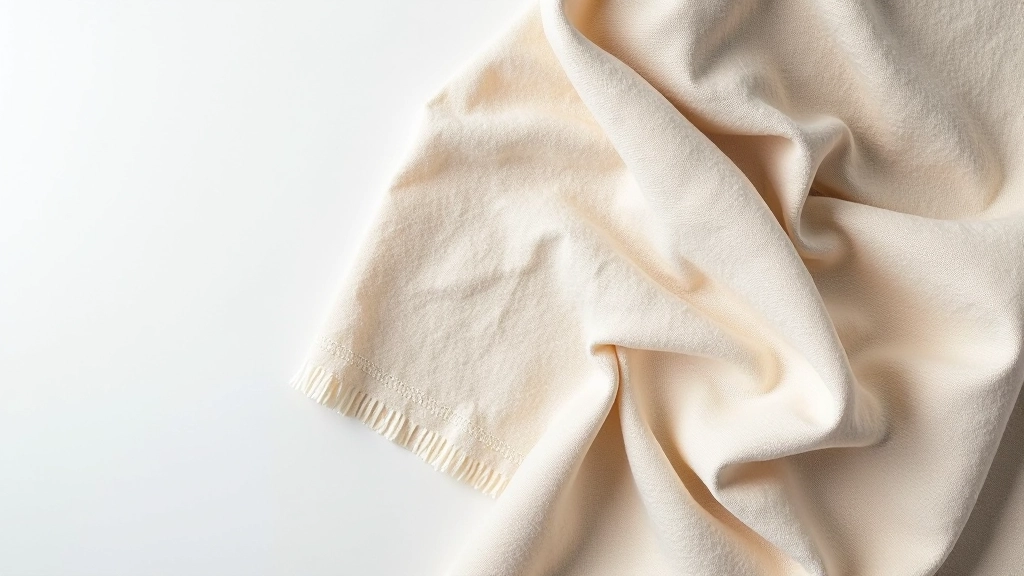
Linen is beautiful — natural texture, lovely drape, breathes well. It's durable if you don't abuse it. But linen stains easily and can pill with friction. Works best in low-traffic spaces or if you don't mind the worn-in look evolving.
Cotton blends strike a decent balance. They're softer than pure linen, still breathable, and slightly more forgiving. A 50/50 cotton-polyester blend handles everyday life better than pure cotton while maintaining some natural feel.
Velvet feels amazing but requires commitment. It crushes easily, shows dust and dirt, and stains are visible. Save velvet for accent cushions in adult-only spaces or use it if you're okay with maintenance.
Performance fabrics (like solution-dyed polyester) are engineered to resist stains and fading. They don't feel as luxurious initially, but quality performance fabrics have improved. They're practical if you have pets, kids, or just want something you don't need to baby.
Size, Shape, and Practical Considerations
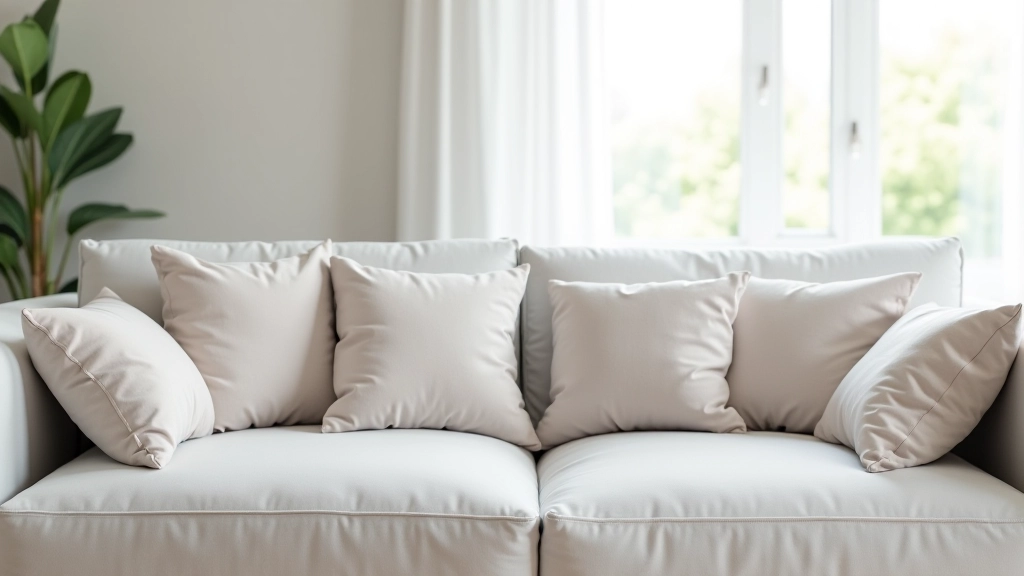
Cushion sizing seems simple but affects how your sofa actually looks and feels. Standard sizes are 16×16 inches, 18×18 inches, and 20×20 inches. The difference matters — too small and they disappear into your seating; too large and they dominate.
Measure your sofa first. For a standard 84-inch sofa, 18-inch cushions usually look proportional. If you have a deep sectional, you might want 20-inch cushions for better support. Don't guess — cushions you can't return are expensive lessons.
Shape choices beyond square exist: rectangular bolsters, lumbar rectangles, and rounded shapes all serve specific purposes. Bolsters are great for back support while reading. Lumbar cushions target your lower back during those long TV sessions. Round cushions feel more relaxed and informal.
Think about your actual life. Do you throw cushions on the floor when people sit? Buy extras or shapes that work loose. Do you leave cushions stacked in a corner most of the time? Thinner cushions store easier. Do you have pets? Consider covers you can remove and wash.
Keeping Cushions Looking Good
Cushion longevity isn't just about quality — it's about how you treat them. Fluffing matters. Every few days, give cushions a quick fluff to redistribute fill and prevent compression in high-use areas. Down cushions especially need this attention.
Rotation helps too. If you have four cushions on your sofa, swap their positions every month. This distributes wear evenly and prevents one side from flattening while others stay plump.
For spills and stains, act fast. Blot immediately with a clean cloth — don't rub. Check the fabric care tag; most cushions have specific cleaning instructions. Some can handle spot-cleaning with mild soap and water. Others need dry cleaning. Velvet and delicate fabrics especially have particular requirements.
Sunlight fades colors over time. If your sofa sits in direct sunlight, consider rotating cushions or using window treatments to minimize UV exposure. It's one of the simplest ways to keep them looking fresher longer.
Making Your Final Choice
Choosing cushions comes down to balancing three things: how they feel right now, how they'll hold up over time, and whether you'll actually maintain them. There's no perfect answer because your "perfect" depends on your specific situation.
Start with fill. Decide if you want that immediate soft luxury of down or the practical durability of quality polyester. Then pick a fabric you genuinely like touching — you'll be around it constantly. Finally, consider your lifestyle. Kids and pets mean you should prioritize durability over pristine appearance. Adults only? You can afford to be pickier about materials.
Don't overthink it, but don't rush either. Sit on display cushions if you can. Feel different fabrics. Ask retailers honest questions about durability. Your cushions should feel good not just when you first buy them, but six months and two years down the line. That's what actually matters.
Ready to refresh your space? Explore more about textiles and home comfort.
Learn About Fabric Types
Related Reading