Layering Textiles Without Making Rooms Feel Cluttered
How to combine throws, cushions, and rugs in a way that adds warmth and depth rather than overwhelming the space.
When you're thinking about refreshing a room, textiles are where the magic happens. But there's a fine line between creating a cozy, inviting space and ending up with something that feels like a textile explosion. We've all seen it — too many patterns, colors clashing, cushions piled so high you can't actually sit down.
The good news? Layering textiles doesn't have to be complicated. It's really about understanding proportion, color balance, and knowing when to stop. In this guide, we'll walk through practical techniques that'll help you build depth and warmth without the visual chaos.
The Core Principle
Start with a solid foundation, add texture through one or two statement pieces, then layer in subtle accents. This creates visual interest without overwhelming the space.
Start With Your Foundation Pieces
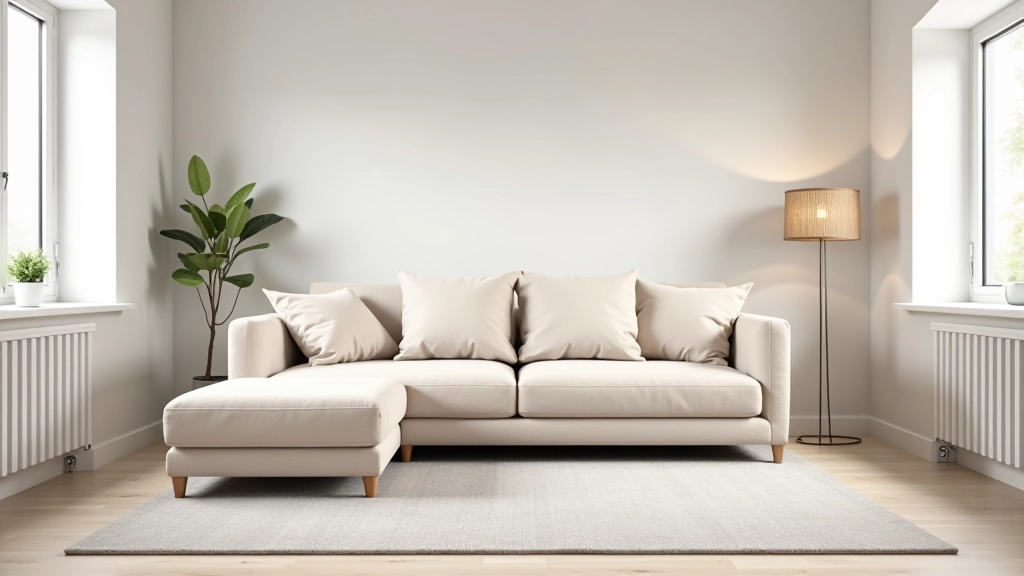
Your foundation is everything. It's the rug, the main sofa, the wall color — the big stuff that doesn't change often. When you're planning textile layers, you're working around this foundation, not against it.
If your sofa is a neutral beige, you've got flexibility. You can go warm (terracotta, olive, rust) or cool (navy, slate, charcoal). If your sofa is already a statement color — say, a rich teal — your layering needs to respect that. You're not fighting it; you're complementing it.
Same with your rug. A large neutral rug gives you freedom. A patterned rug needs more careful planning. Here's the thing: you'll want maybe 60-70% of your textiles to echo or support that foundation. The remaining 30-40% is where you bring personality.
Note: These guidelines are based on design principles and common preferences. Every space is unique. What feels right depends on your personal taste, room size, and existing decor. Use these suggestions as starting points, not strict rules.
The Pattern Balancing Act
Pattern is where people get nervous. And honestly, it's where things can go sideways quickly. But patterns aren't the enemy — mismatched patterns are.
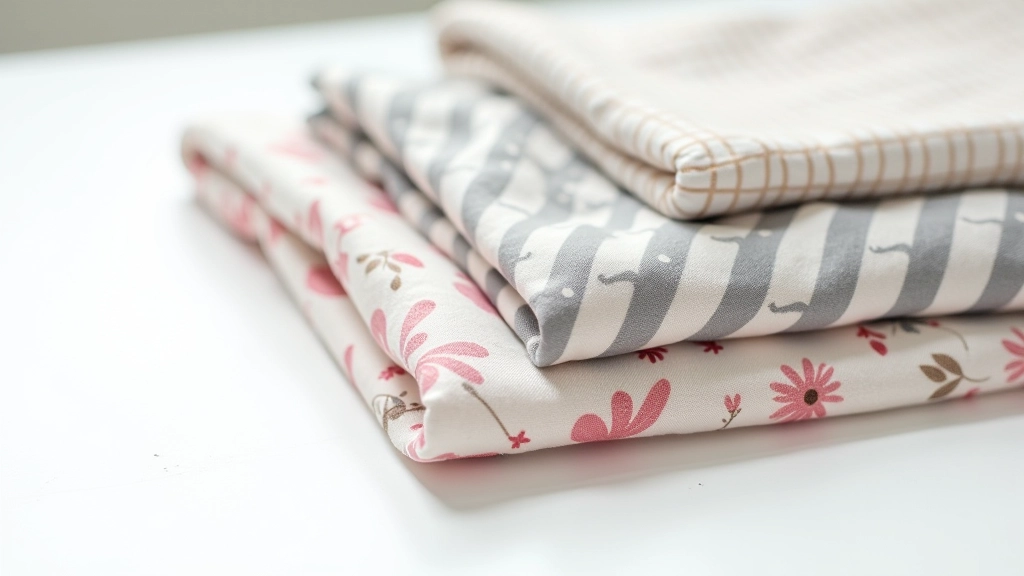
Here's a practical rule: if you're using multiple patterns, keep them at different scales. Pair a large geometric print with a small-scale stripe. Combine a bold floral with a subtle texture. The scale difference keeps things from feeling chaotic.
On your sofa? Probably one pattern maximum, or go solid. Throw pillows are where you layer patterns. A patterned throw pillow next to a solid linen one next to a subtle striped one — that works. All three patterned? Less likely to succeed. Stick to the 70/30 rule here too: 70% solid or neutral textiles, 30% patterned.
And here's something most people don't think about: the pattern in your rug counts. If your rug is patterned, you've already used your pattern budget. Keep cushions and throws more subdued.
Color Layering: Building Depth Through Tone
Colors don't have to match perfectly to work together. What matters is understanding warm versus cool, light versus dark, and saturation levels.
A room with all the same color value — say, all medium grays — looks flat. But layer in a lighter gray pillow, a darker charcoal throw, and a slightly warmer taupe texture? Now you've got dimension. Your eye moves around the space. It feels more intentional.
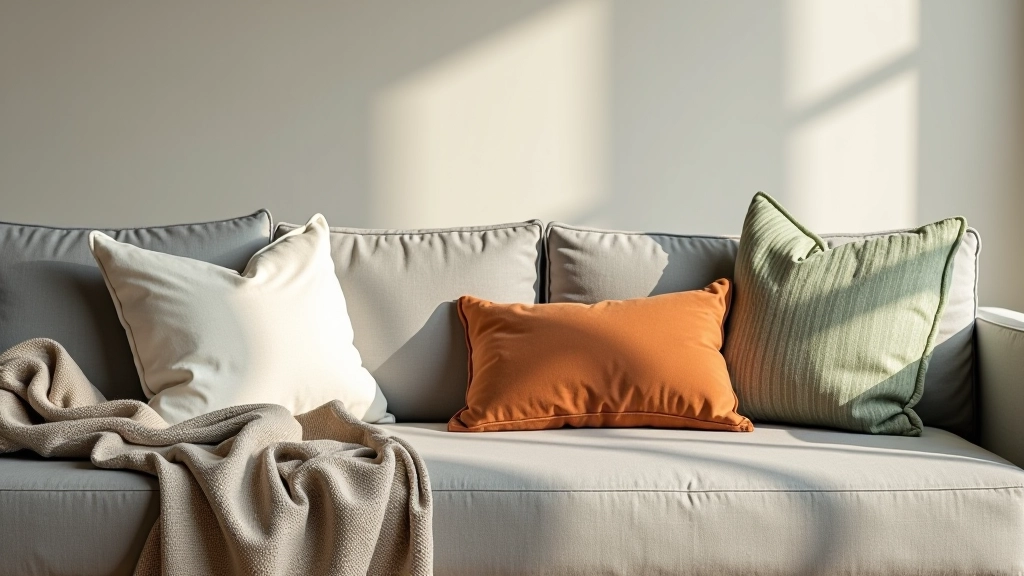
The approach: pick a primary color (usually from your foundation), then select 1-2 supporting colors. These might be slightly lighter or darker versions of your primary. Then add 1 accent color — this is your personality. Maybe it's a warm rust cushion in a cool gray room, or a soft sage throw against a warm cream sofa. The accent doesn't need to appear everywhere, just enough to draw the eye.
Texture Creates Interest Without Clutter
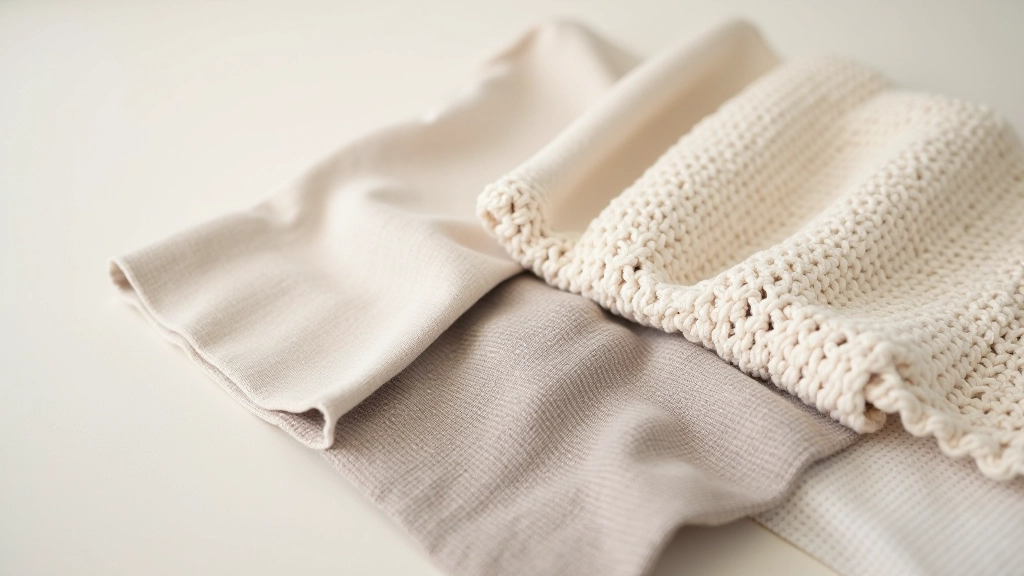
Here's where your layering really comes alive. Even if your colors are simple, texture keeps things interesting. Velvet next to linen. Chunky knit next to smooth cotton. A shiny throw with a matte rug.
You want variety, but not chaos. Aim for 3-4 different textures in a room. A smooth sofa, a chunky knit throw, linen pillows, and a woven rug — that's enough. Your brain registers the difference, it feels richer, but it doesn't feel overwhelming because the colors are coordinated.
Natural fibers work particularly well for this. Linen, cotton, wool, jute — they're tactile. They invite touch. And they layer beautifully because their natural variations read as sophisticated, not busy. A room layered in natural fibers just feels more refined, even if you haven't spent a fortune.
Practical Layering Steps
Choose Your Base Layer
Your sofa, bed, or main seating. This is 50% of your color and texture story. Don't overthink it — pick something you love and that works with your room's bones.
Add Your Anchor Rug
An area rug grounds the space. Go neutral (gray, cream, natural jute) unless you want pattern — but then keep your cushions simpler. Rule of thumb: your rug should be 70% of your sofa length for proper proportion.
Layer Your Pillows
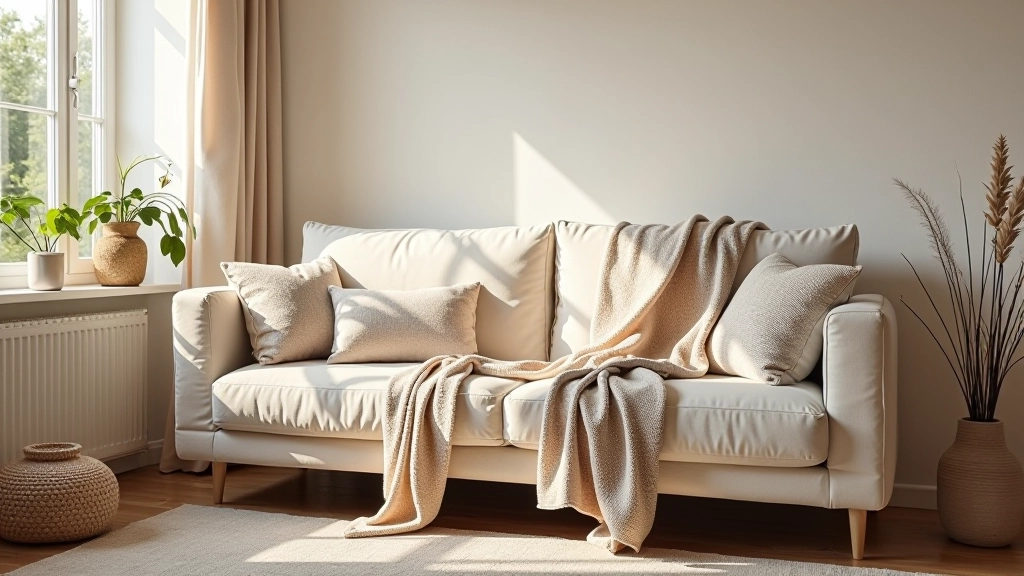
Start with 2-3 pillows per seating area. One that echoes your sofa color, one that's a supporting tone, and optionally one with a pattern or accent color. Mix textures — maybe a smooth linen, a chunky knit, and a subtle stripe.
Introduce a Throw
A throw blanket draped over the arm or back of your sofa adds coziness and texture. Keep it coordinated with your pillow colors. A cream or warm gray throw works with almost everything. Drape it casually, not perfectly — that's where the warmth comes from.
Step Back and Evaluate
Before adding more, live with what you have for a few days. Does it feel balanced? Can you sit comfortably? Is there visual breathing room? If yes, you're done. If you need more warmth or interest, add one more element — maybe a second throw or an accent pillow. But probably not both.
The Golden Rule: Less is More
If you're unsure whether you need another pillow, you probably don't. A room that feels slightly under-furnished is more appealing than one that feels crowded. You can always add more later. Removing things is harder.
The best-looking rooms aren't the ones with the most stuff. They're the ones where every textile has a purpose. Your eye can move around and rest. Colors complement rather than compete. Textures add richness without visual noise.
Start minimal. Layer thoughtfully. And remember — your comfort matters more than any design rule. If you love sitting in a nest of pillows and throws, and it works for your space, do that. These guidelines help you avoid obvious mistakes, but your personal preference is the final arbiter.
Ready to Refresh Your Space?
These techniques work whether you're starting from scratch or refreshing a room you've had for years. The key is understanding your foundation and building thoughtfully from there.
Explore More Textile Guides